Why seasonal care matters in North Carolina
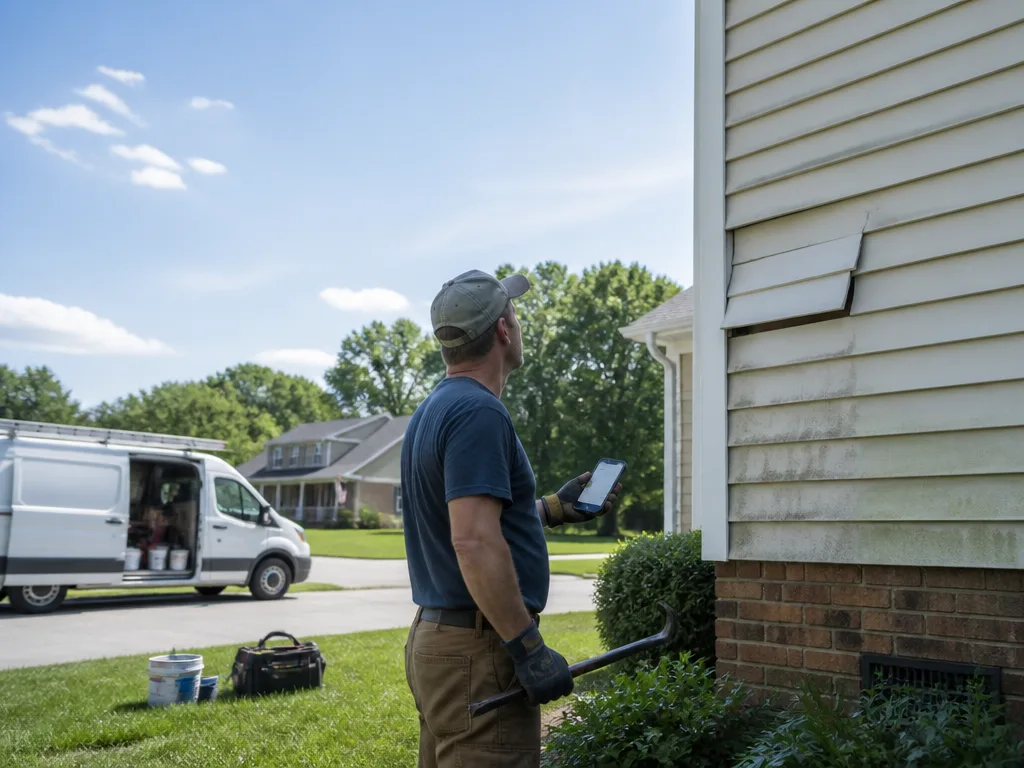
Routine maintenance also helps you spot problems early. A quick inspection after the most humid months or after a heavy rain can prevent small issues from becoming big headaches. Our crews across North Carolina know what to look for and how to prioritize repairs.
Seasonal checklists you can follow
Spring: Inspect for sun damage, paint or stain wear, and any dried caulk that needs resealing. Fall: Check for wind-driven debris, reseal gaps, and ensure proper drainage away from the siding. Winter: Look for ice damming risks and ensure vents and weep holes are clear. Summer: Monitor color fading and surface cracking from heat exposure.
Preventive steps that pay off
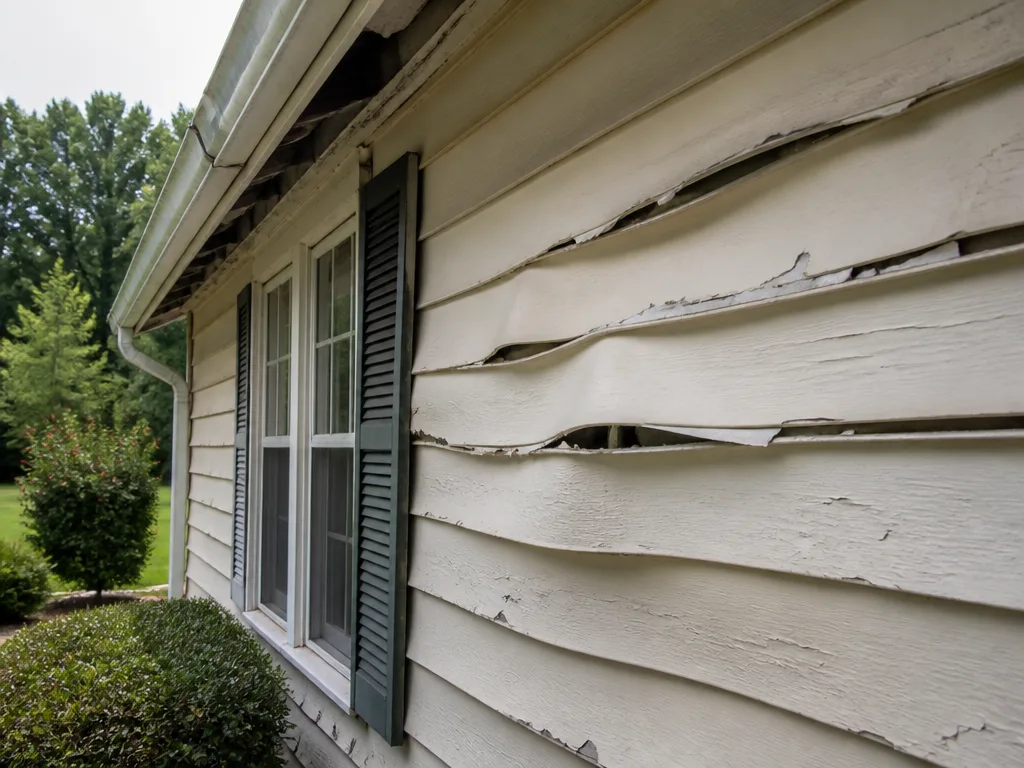
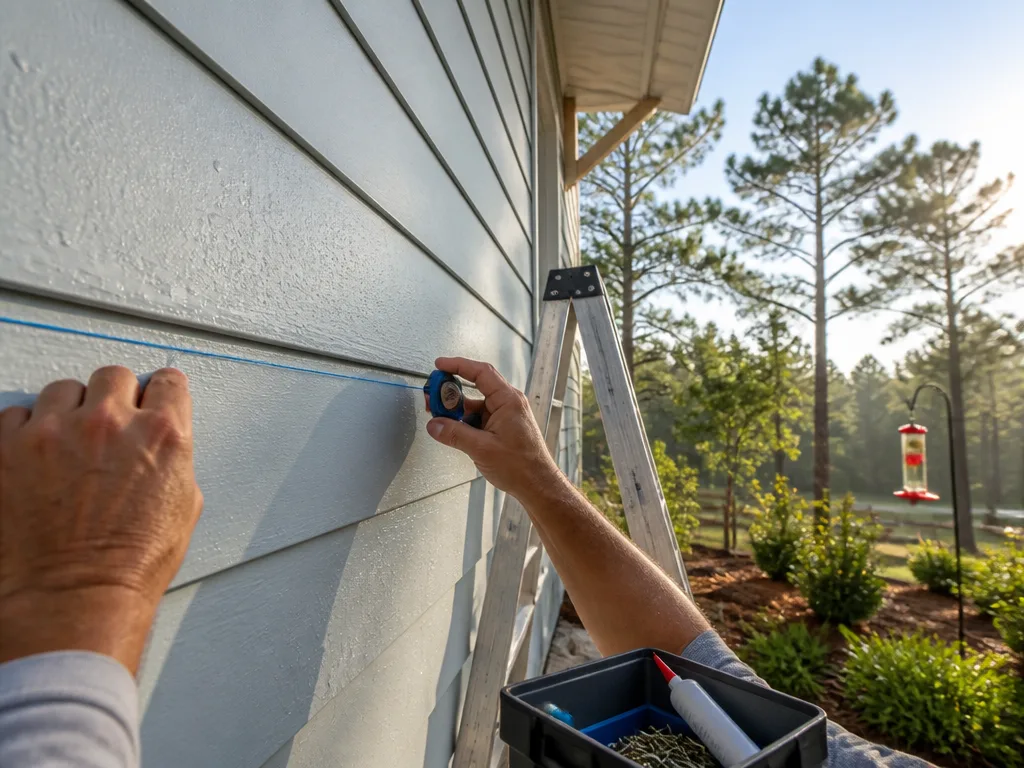
Clean the siding with a gentle solution and a soft brush a couple of times a year. Avoid high-pressure washing that can gouge or lift seams. Recaulk exposed joints as needed, especially around windows and doors where moisture tends to enter. If you notice any suspicious what looks like swelling or soft spots, bring in a siding specialist to evaluate before winter sets in.
Choosing the right materials for North Carolina weather
Durable options like fiber cement or engineered wood often stand up well to our climate. But the best choice depends on your home style, budget, and how much maintenance you’re willing to do. A siding specialist can walk you through practical options that hold up across North Carolina.
Maintenance-friendly habits
- Schedule a professional inspection every 2–3 years
- Keep gutters clean and direct water away from siding
- Address any paint or stain wear promptly to prevent moisture ingress